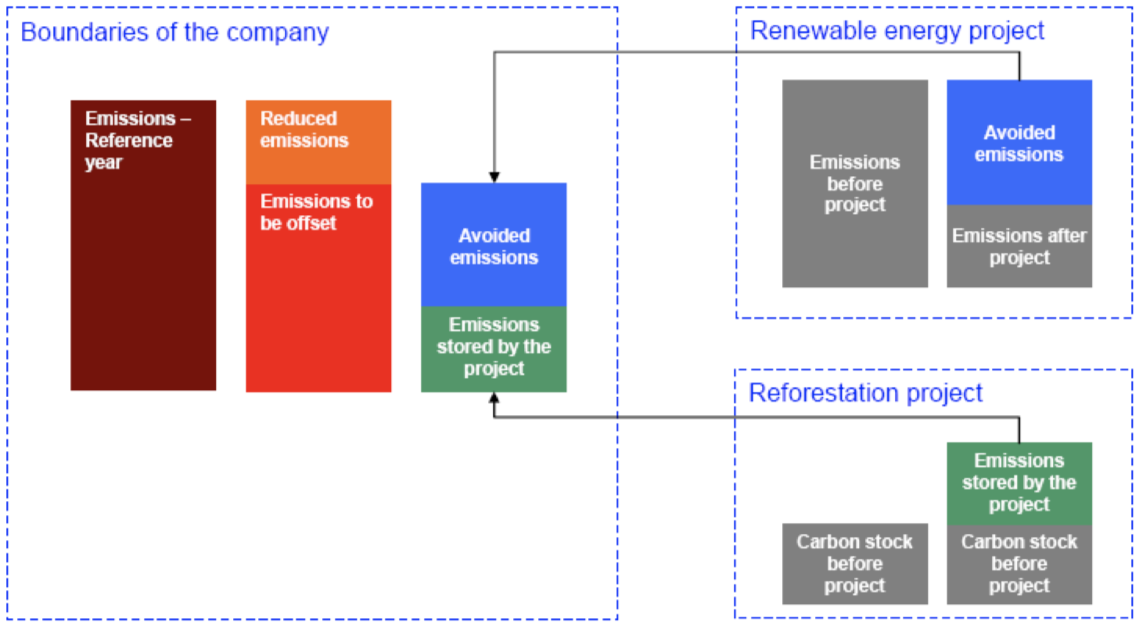
Carbon offsetting is a way of taking responsibility for unavoidable emissions, without stopping all polluting activities. The retail market for purchasing ‘offsets’ has two key components: Certified Emission Reductions (CERs) and Verified Emission Reductions (VERs).
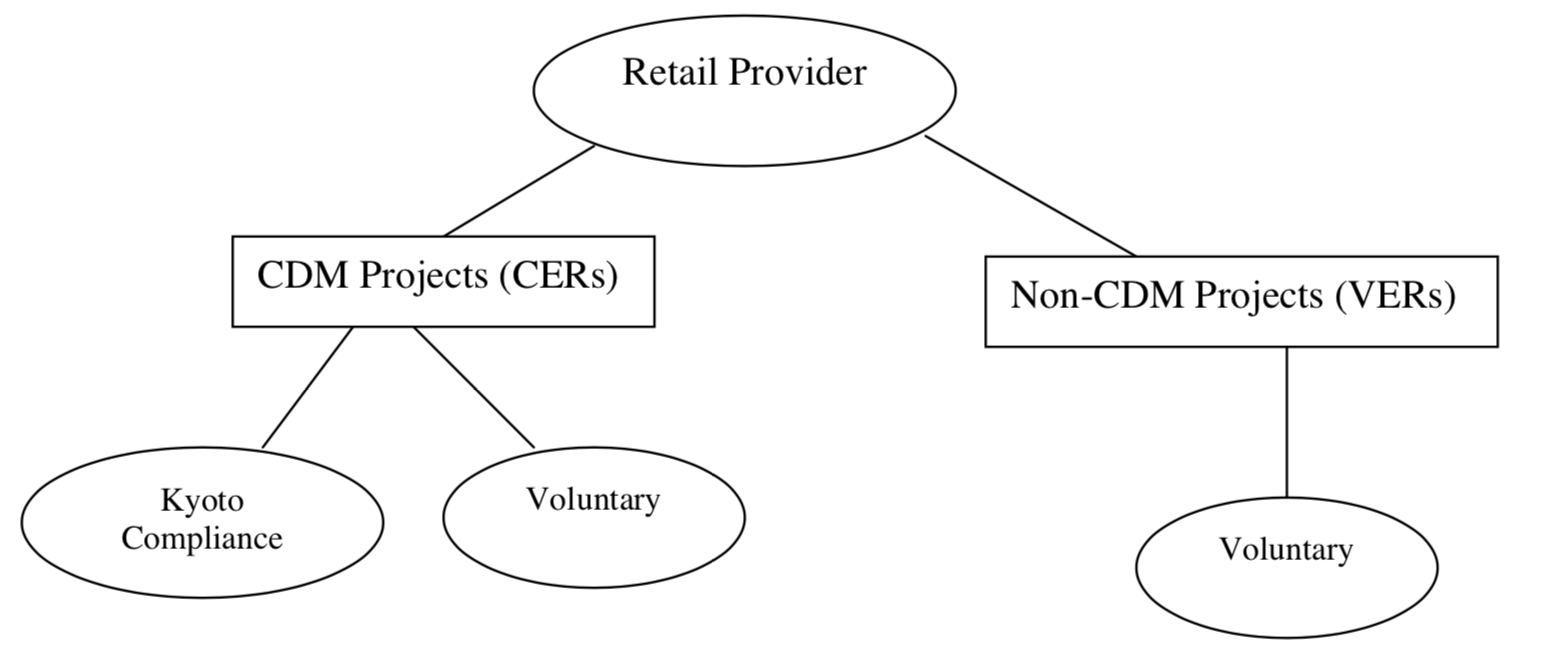
CER credits are earnt by Annex 1 countries implementing sustainable projects in developing countries, allowing A1s to meet emission reduction targets under the Clean Development Mechanism (CDM) (a Kyoto Protocol mechanism). CDM schemes facilitate the construction of low carbon technologies and electricity generation, which must ‘assist in sustainable development’ of developing countries. These credits can only be used to meet Kyoto or the European Union Emissions Trading Scheme (EU ETS) targets.
VER credits are generated by non-CDM projects, which are described as voluntary because the credits cannot be used to meet national targets. However, they can be purchased by governments, companies or individuals. The first voluntary offset organisations were established in 1990. There are now hundreds of companies and NGOs where customers can buy VER credits, where money gets invested into local or international forestry, community and renewable energy projects. VERs allow individual citizens outside of state-based emissions-reduction policies at an affordable price, to offset their emissions.
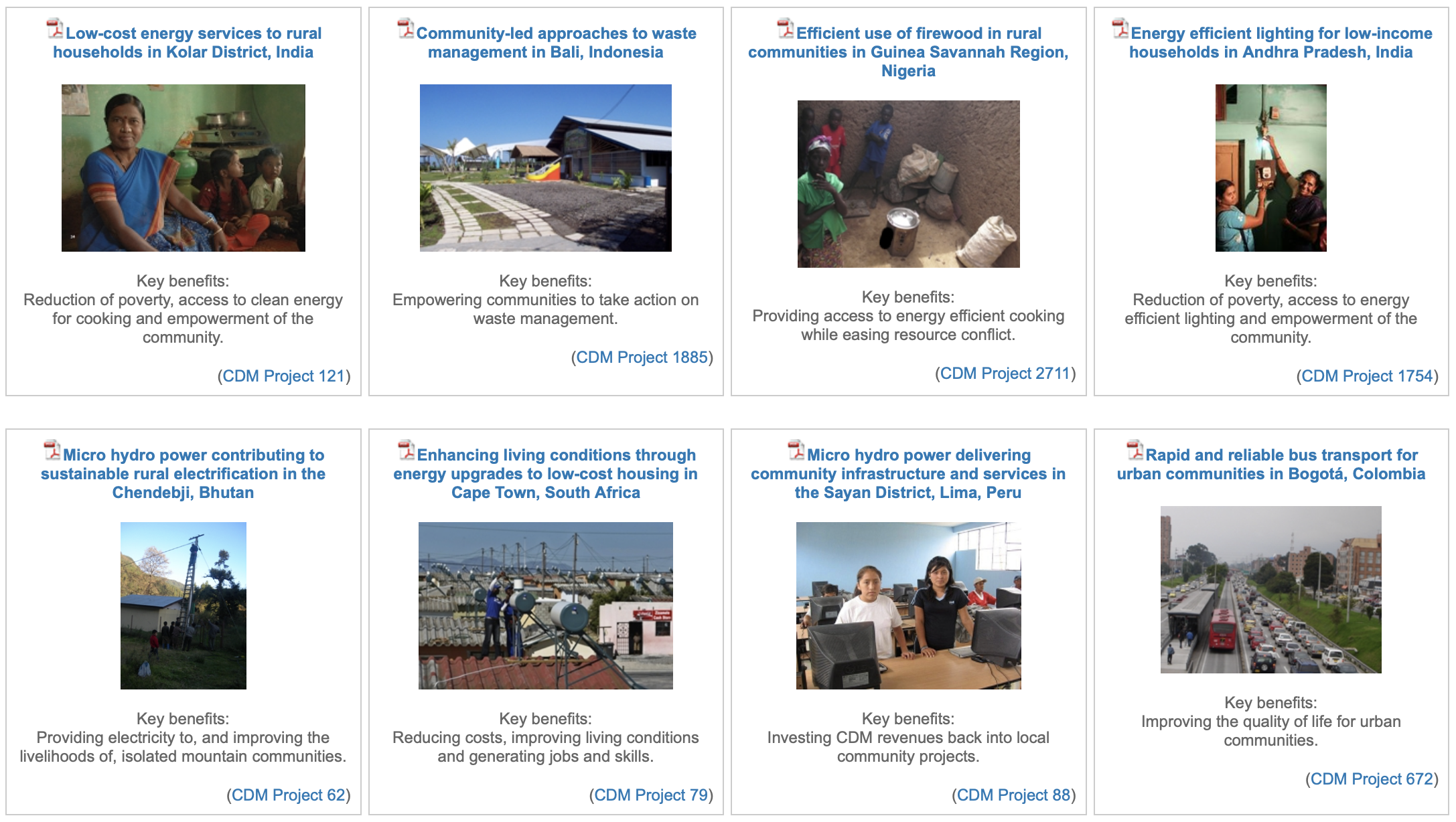
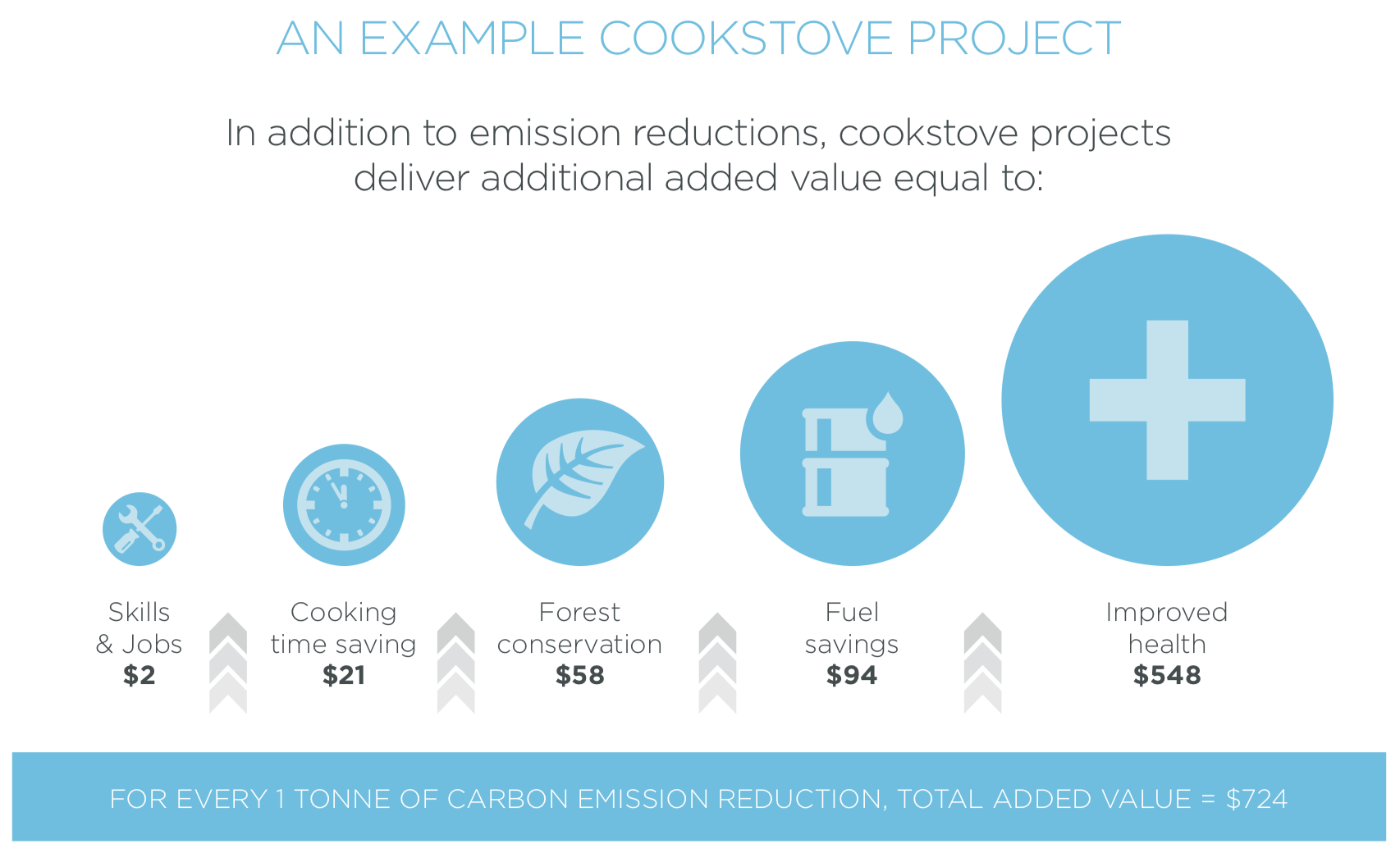
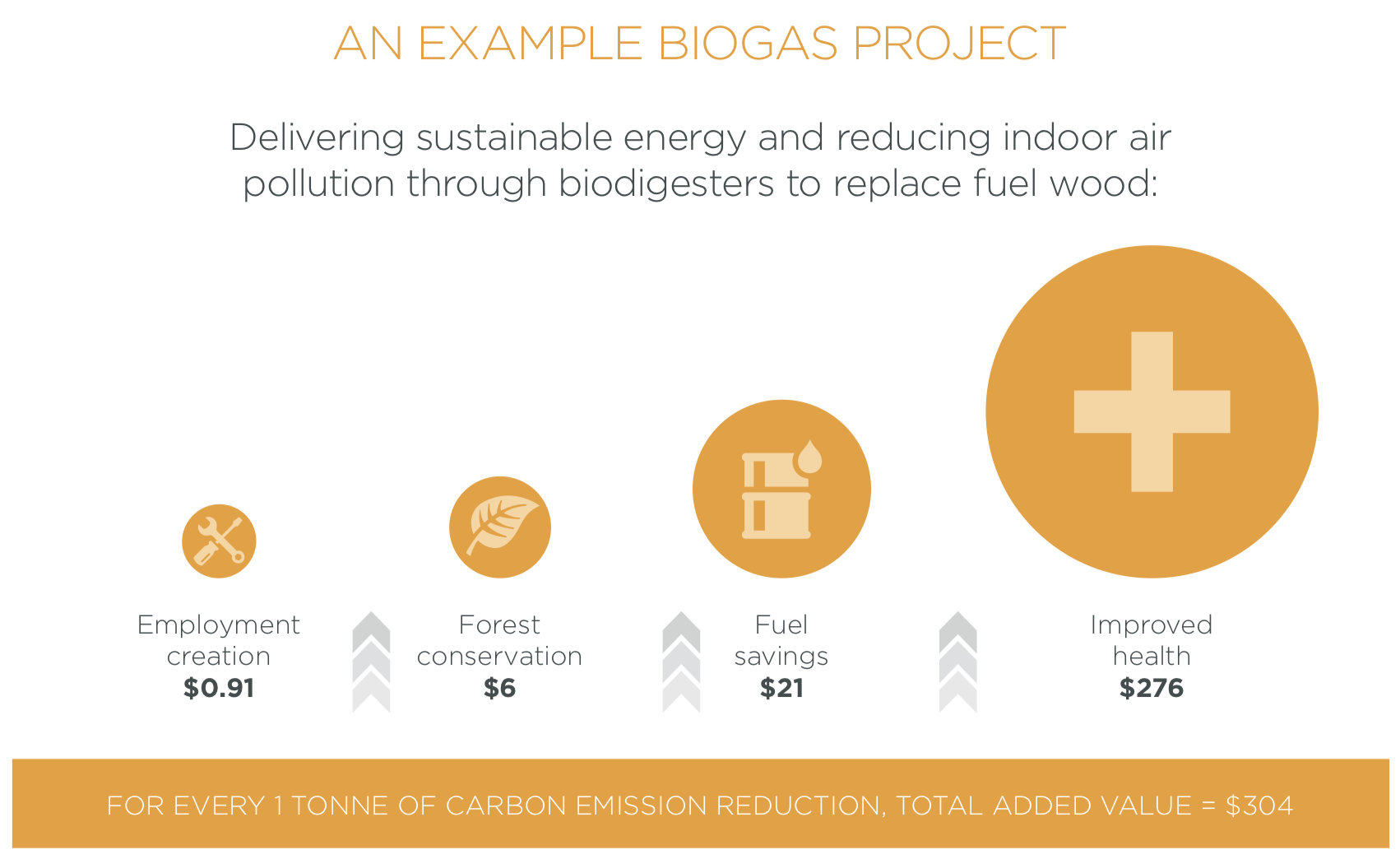
CDM projects and can achieve sustainable development not only through the construction of low-carbon technologies and infrastcutrue, but also in contributions to local employment and the development of other services, directly benefitting communities.
Despite this, CDM has previously been criticised for not meeting sustainable development targets. Most schemes don’t provide benefits to local livelihoods, as ‘small community-based projects are often not economically viable under the CDM’, and are becoming increasingly low-cost and high-volume. There are high costs associated with applying for and implementing projects, due to the specific CDM procedures. Also, the ‘majority of projects are concentrated in large markets, such as India and Brazil, and have virtually bypassed the least developed countries’.
It is understood that small-scale projects are better at delivering successful sustainable development. The CDM Executive Board now has policies to encourage smaller projects, but voluntary offset projects are implementing them at lower costs and can avoid the CDM registration process.
The voluntary offset market has been also been highly criticised. It is considered more ‘informal’ than CDM schemes, as it is a mix of non-governmental, private and small organisations. When organisations were first becoming established, there were concerns over the reliability of such schemes, as their flexibility comes at the cost of potentially reduced credibility and varying quality. A set of standards have recently been developed to tackle these problems. These include the Voluntary Gold Standard (VGS), Voluntary Carbon Standard (VCS) and the Quality Assurance Standard.
So are small scale schemes more effective than national projects?
In terms of the future, yes. The voluntary carbon market companies have been developing new innovative projects and schemes to sell emissions reductions. They are now beginning to integrate their projects to meet broad sustainable development goals and work with policymakers to become more effective. They have contributed greatly to emissions reductions over the years. In 2018, these projects existed in 83 countries and had resulted in 430 million tonnes of emissions reductions generated since 2005. Their flexibility is no longer considered their flaw, due to the strict standards, and allows VER credits to be traded freely between buyers and sellers across the world. Their development has allowed individual citizens to become actively involved in offsetting their emissions, which could be an intrinsic way of reducing global emissions in the future.

Some examples of voluntary carbon offsetting companies:
– Mossy Earth
– ETA insurance
– Carbon Footprint
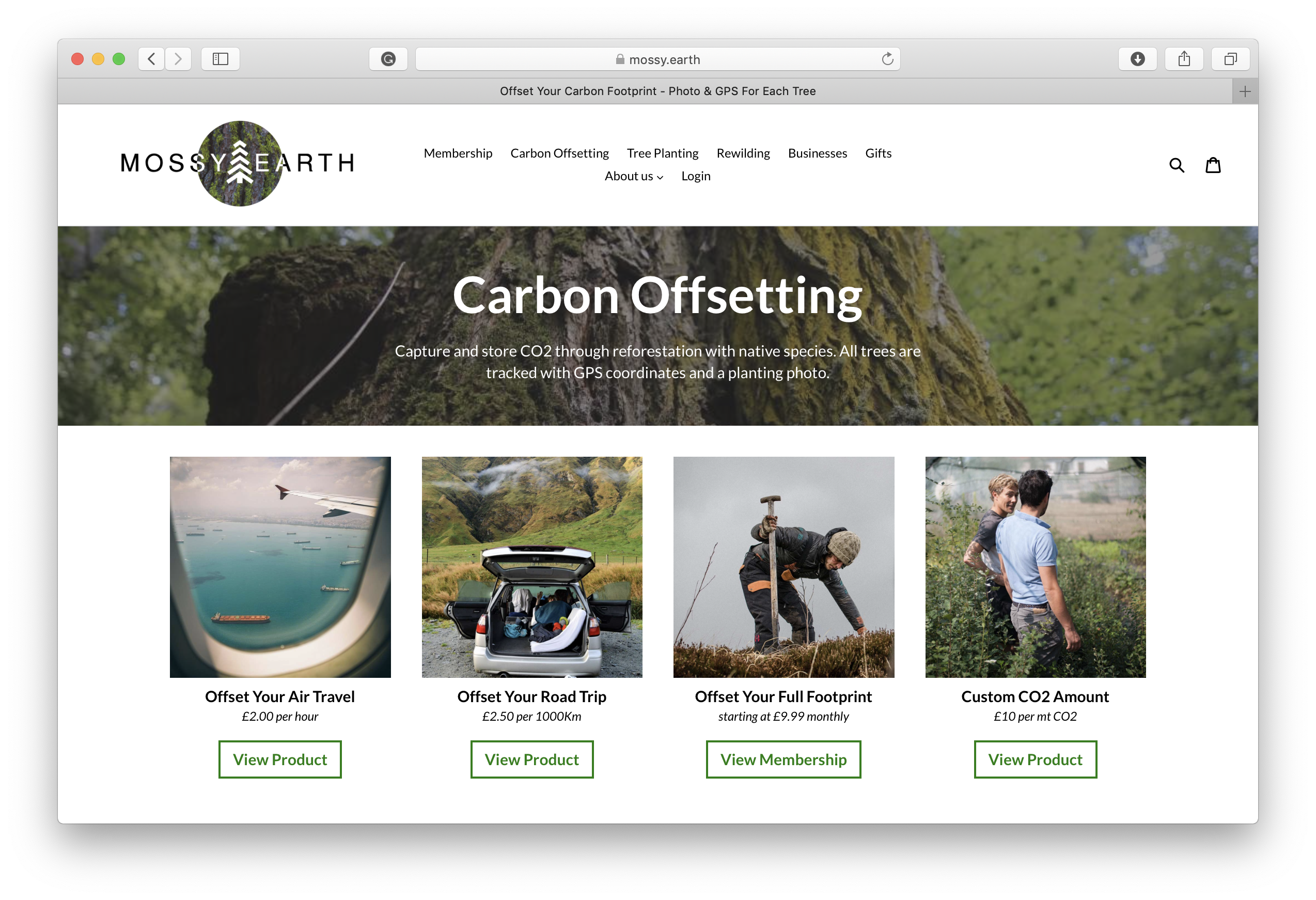
Mossy Earth is an afforestation scheme, with the aims of ‘rewilding’ and restoring natural ecosystems across Europe. My family uses this organisation to offset our carbon emissions! We pay a monthly fee which was calculated from our predicted carbon footprint over a year, and are sent regular updates of the project with images and GPS locations of our trees!
 Climate change science and policy