‘Youth’ represents a developmental stage characterised by ‘broadening perspectives and imagination of the future’. Picturing a future with the damaging effects of climate change is making the youth of today want to change how their future will look.
There has been a wave of climate strikes recently, inspired by the actions of Greta Thunberg, a 16 year old from Sweden. In August 2018, Greta began to strike outside parliament buildings in Stockholm, after the hottest summer on record in Sweden, and in the ‘absence of global leadership’. Greta now strikes every Friday alongside thousands of other students, as part of ‘Fridays for Future’, who also agree that it is unfair to live with the consequences of today’s political decisions.
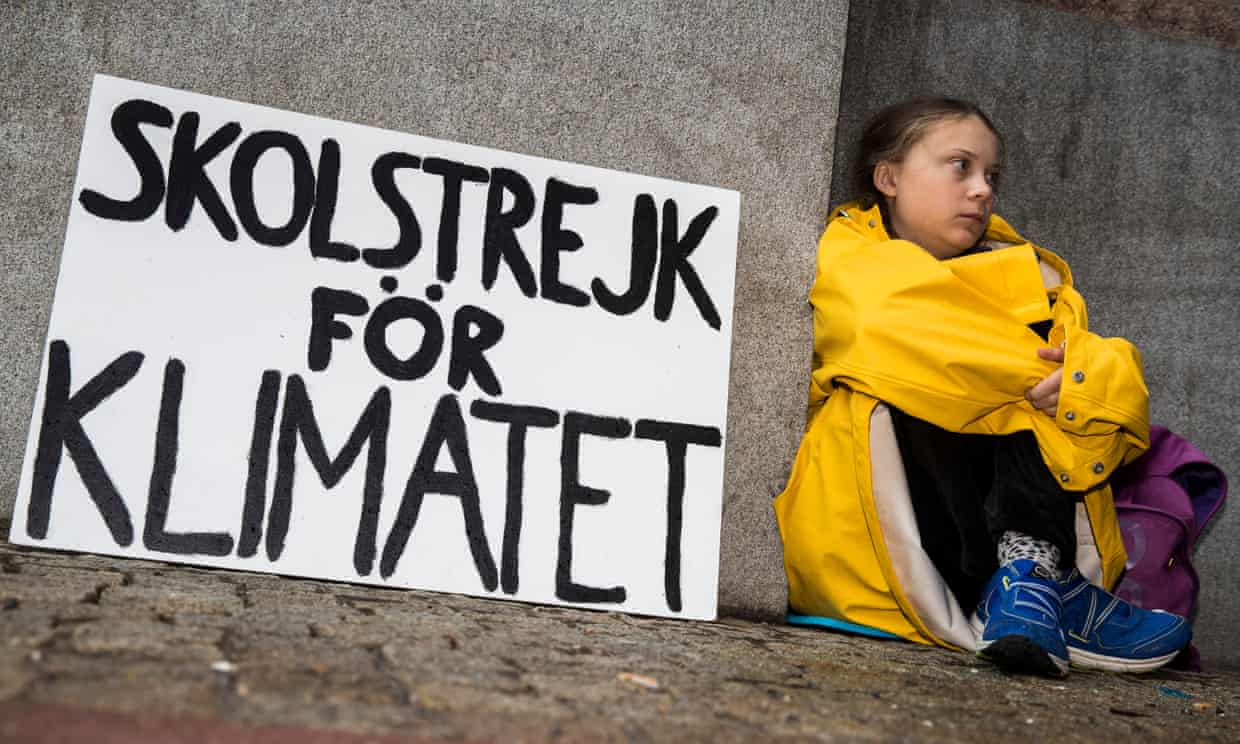
The youth are calling for real sustainable future policies, where the future leaders and citizens of a society are consulted and involved in decision making. Youth have a bigger stake in the future of the planet than the current policymakers and politicians and want to be able to play a part in deciding how their future should look.
It is hard for children to contribute significantly to political change, but this may start to become a thing of the past. In 1992, the UNFCCC identified the youth as an independent stakeholder, then 7 years later gained constituency status as ‘Youth NGOs’. The UN has now set up annual Conferences of Youth, to bring young people passionate about addressing climate change together. In Bonn 2013 there was the first Dialogue on Action for Climate Empowerment, which seeks to ‘reduce the impact of climate change by enabling society to be a part of the solution’. This focuses on climate change education and training, which encourage young people to actively make a difference.
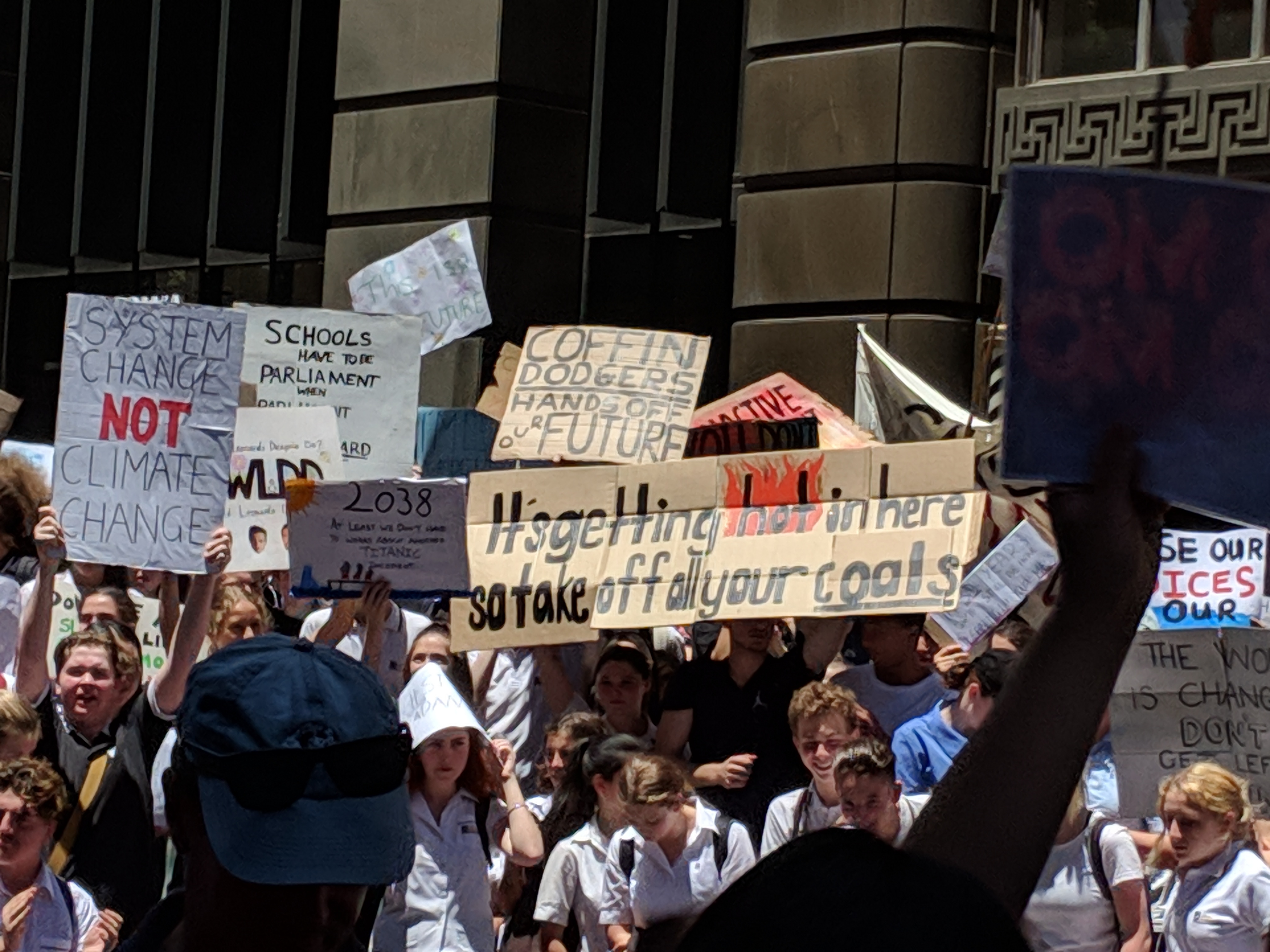
There have been positive movements towards youth inclusivity in policymaking over the last few years, but is this enough?
The youth of today are willing to help in shaping their futures, so why not let them? If organisations such as the UNFCCC wish for youth to remain engaged, they need to make it clear that they are truly being listened to, before those most hopeful of a bright future lose courage in their own efforts. The growth in the strikes seen is extremely positive, but it seems likely that these actions may have very minimal or no influence on future policy. We need a spokesperson for our generation, who is willing to tackle national and international governments – could Greta Thunberg be this person? Let’s hope so.
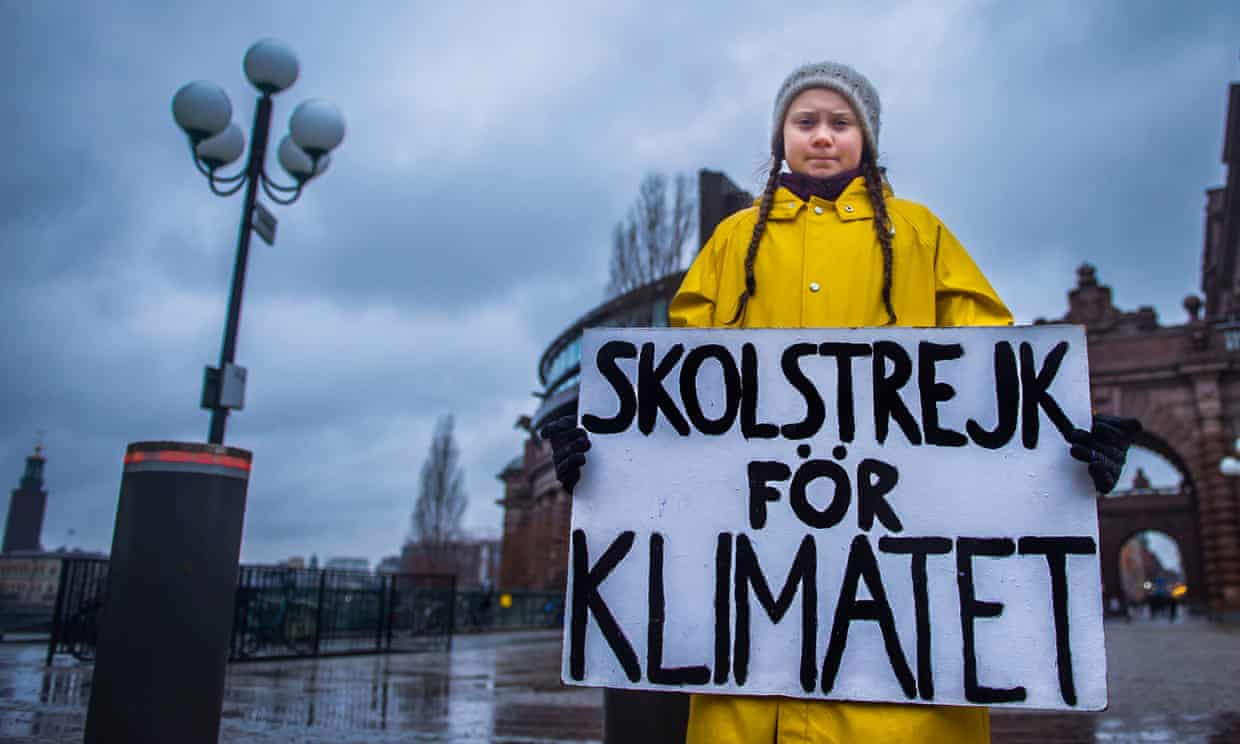
Note after writing this post:
I took part in the Truro School Strike 4 Climate on Friday 15th February 2019 (images below). As we approached the group of students I felt an overwhelming sense of pride that my generation are making an active effort to stand up for our futures together. I personally believe we (the youth of today) are important because we lack strong political, social and economic agendas and that we should be able to be actively involved in policymaking.


 Climate change science and policy